
10 min read
How We Protect Your Furniture During a Move
How We Protect Your Furniture During a Move (And Why It Matters More Than You Think)
By Nawar
Co-founder & Quoting — Two Brothers Removals · 15 March 2026
Quick Answer: At Two Brothers Removals, every piece of furniture is wrapped in quilted blankets, secured with straps, and protected with stretch wrap and corner guards where needed — at no extra charge. This isn’t an opt
- Professional furniture protection uses a layered system: quilted blankets, stretch wrap, corner guards, and ratchet straps
- Different furniture types need different treatment — a leather lounge is not wrapped the same way as a timber dining table
- The most common cause of furniture damage during a move is not the drive — it’s loading and unloading
- Free wrapping and protection is included on every Two Brothers Removals move
- The quality of protection is the single biggest difference between a professional removalist and a cheap one
The truth is, furniture damage during a move is almost always preventable. It’s rarely caused by a crash or a sudden stop. Industry data consistently shows that the majority of damage claims occur during loading and unloading — furniture rubbing against other furniture in the truck, a corner catching on a doorframe, a drawer sliding open mid-carry, or a stacked item shifting during transport. The ACCC’s consumer guarantee framework requires that removalist services be provided with “due care and skill,” which extends to every stage of the move. We’ve covered the insurance and liability side in our complete guide to removalist liability and moving insurance, but prevention is always better than a claim.
Over 15 years and more than 7,000 home removals across South Western Sydney, we’ve refined our protection methods to the point where damage claims are exceptionally rare. Here’s exactly what we do — and why each step exists.
Our Layered Protection System, Explained
Layer 1: Quilted Furniture Blankets
Every item of furniture gets wrapped in thick, quilted furniture blankets before it goes anywhere near the truck. These aren’t thin packing blankets from a hardware store — they’re heavy-duty quilted pads designed specifically for the removal industry, with soft inner lining and reinforced edges.
We carry 30-40 blankets on every truck. A standard 3-bedroom house move typically uses 15-20 blankets; a larger home move can use the full set. Blankets go around lounge suites, dining tables, wardrobes, dressers, bedheads, bed frames, bookshelves, entertainment units, desks, and any timber, leather, or polished surface.
Layer 2: Stretch Wrap
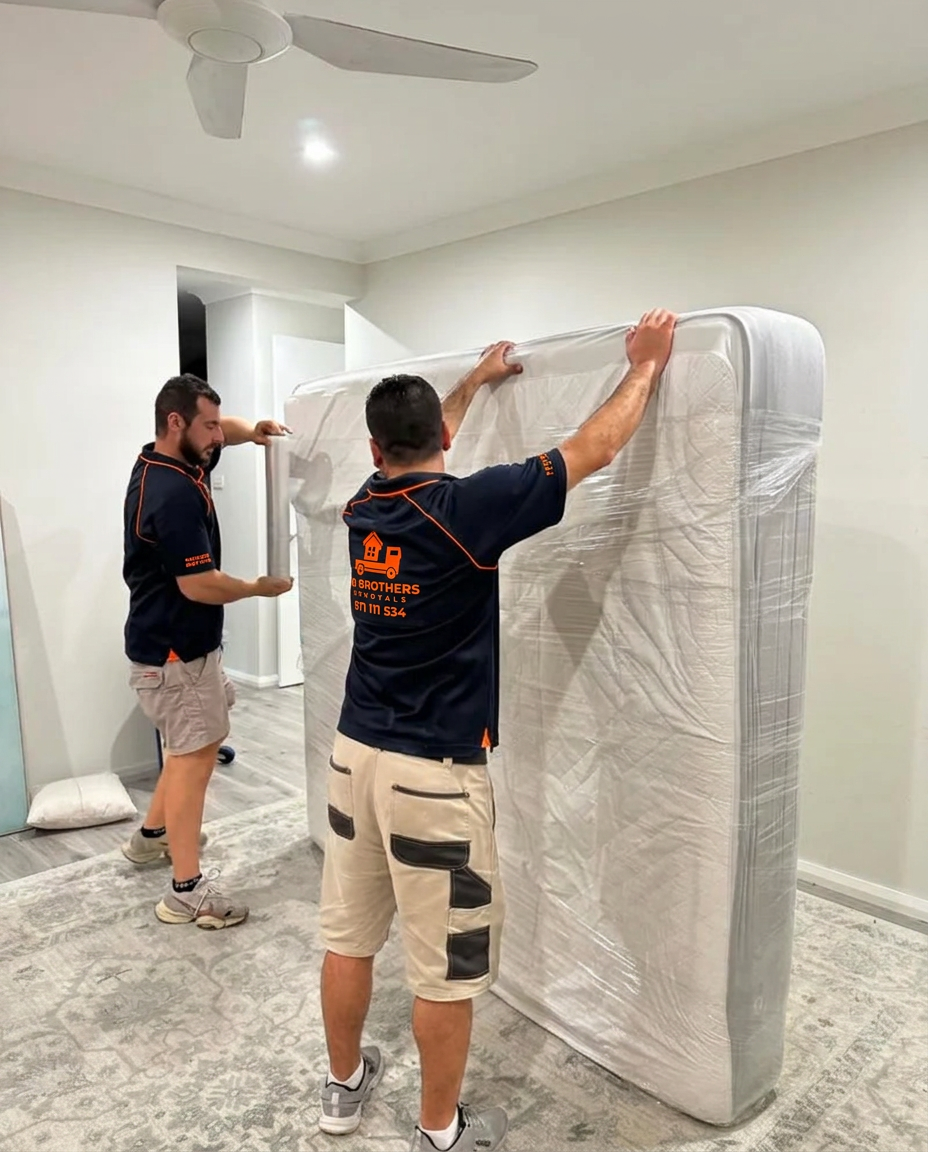
Blankets alone can shift during transport. Stretch wrap holds everything in place. We wrap stretch film around the blanket layer to create a secure, snug fit that won’t move during the drive.
Stretch wrap also protects against moisture, dust, and minor scuffs from contact with the truck interior. For items going into storage, stretch wrap creates a sealed barrier that keeps everything clean.
Important: we never apply stretch wrap directly to polished timber or leather surfaces. The adhesive residue can damage finishes. Blankets always go on first, then stretch wrap over the top. If a removalist is wrapping your lounge in stretch wrap without blankets underneath, that’s a red flag.
Layer 3: Corner Guards and Edge Protectors
Corners are the most vulnerable part of any piece of furniture. They’re the first thing to hit a doorframe, the first thing to get crushed against another item in the truck, and the hardest thing to repair if they’re damaged.
We use foam corner guards on glass-topped tables and cabinets, timber dining tables (especially the corners of the top), marble or engineered-stone benchtops being transported, flat-screen TVs (top corners and screen edges), and any item with sharp or protruding edges.
Layer 4: Ratchet Straps and Truck Securing
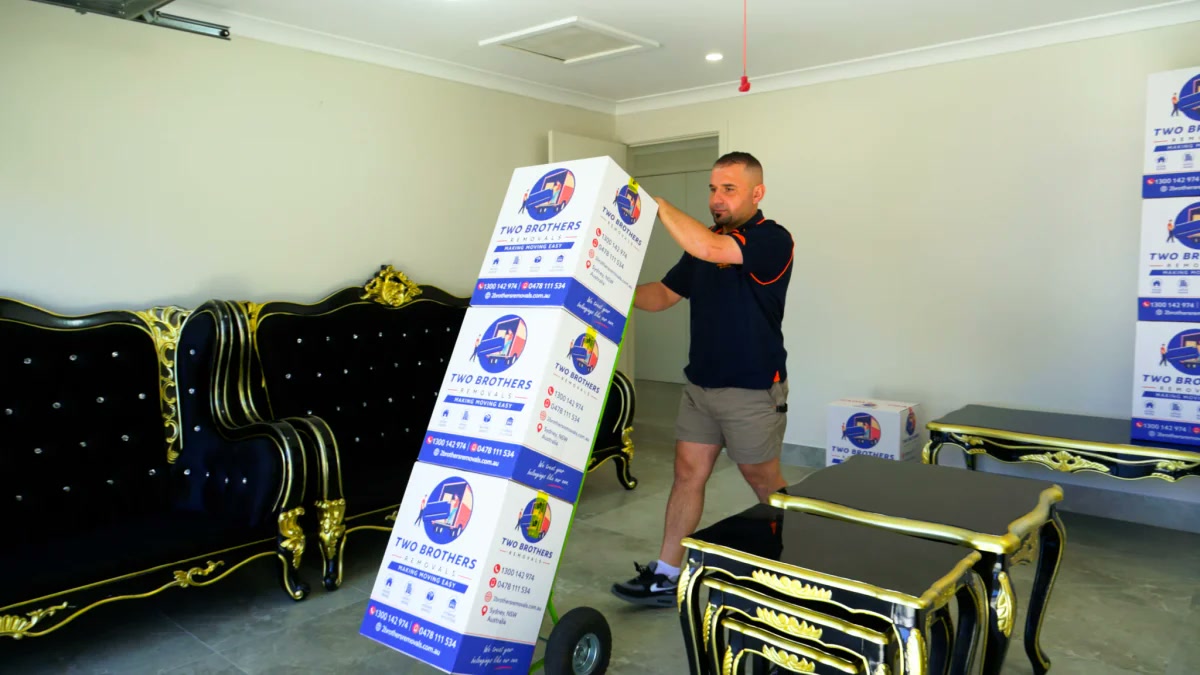
Everything in the truck is strapped in place using industrial ratchet straps anchored to the truck walls. Items are loaded strategically — heaviest items at the bottom and against the walls, lighter items stacked on top, fragile items in dedicated positions where they won’t be compressed.
Proper loading technique isn’t just about protecting your furniture — it’s about protecting our team. According to SafeWork NSW, hazardous manual tasks are one of the leading causes of workplace injury in NSW, with over 145,000 workers injured over a four-year period. Methodical truck loading — heavy items low, fragile items secured, everything strapped — reduces both the risk to your belongings and the physical strain on our removalists.
Leather Lounges and Fabric Sofas
Leather is easily scuffed, scratched, and marked by pressure. We wrap leather lounges in soft blankets first (never stretch wrap against the leather), then secure with stretch wrap over the top. The lounge is positioned in the truck so nothing presses against the leather surface during transport.
Timber Dining Tables
Solid timber tables are heavy and their surfaces are easily scratched or ring-marked by moisture. We remove the legs if possible (which also makes the table safer to carry), wrap the tabletop in blankets, add corner guards, and transport it upright on its edge — never flat, where other items could be stacked on top.
Glass Display Cabinets and Mirrors
Glass items get bubble wrap first, then blankets, then stretch wrap. Mirrors and glass panels are always transported upright, never flat, and secured between padded items in the truck. We carry dedicated mirror boxes for framed mirrors and large artwork.
Mattresses
Mattresses are put in fitted mattress protector bags to keep them clean, then transported on their side secured with straps. A king-size mattress standing upright without support can bend and damage the internal springs, so we always ensure it’s supported on both sides.
Flat-Screen TVs
TVs are one of the most commonly damaged items during a move — usually because they’re laid flat or placed face-down, which puts pressure on the screen. We wrap TVs in blankets with corner protection and transport them upright, secured between soft items. If you still have the original box, that’s ideal. If not, our wrapping method provides equivalent protection.
Fridges and Washing Machines
Fridges must be transported upright (laying a fridge on its side can damage the compressor). We secure the doors with straps (and remove them if they’re wider than the doorway), disconnect water lines, and strap the unit to the truck wall so it doesn’t shift. Washing machines get transit bolts reinstalled (if you still have them) and the drum is stabilised for transport.
The Difference Between Professional and DIY Protection
It’s tempting to save money by wrapping furniture yourself with whatever you have at home — old bedsheets, garbage bags, towels, masking tape. Here’s what we see go wrong with DIY protection:
- Masking tape on polished surfaces: leaves adhesive residue that damages the finish
- Garbage bags as wrapping: trap moisture and cause condensation, which can stain fabric and warp timber
- Towels and bedsheets: too thin to absorb impact; items shift inside
- No corner protection: the first bump into a doorframe puts a gouge in the wood
- Nothing securing items in the truck: furniture slides around during transport, everything hits everything else
Why We Include Protection Free on Every Move
Some removalist companies charge extra for wrapping and protection. Others offer a basic level and charge a premium for “full protection.” It’s worth noting that under Australian law, removal companies are not actually required to carry insurance — though reputable ones always do. The NSW Government recommends checking that your removalist holds public liability insurance and can provide transit insurance for your goods.
At Two Brothers Removals, quilted blanket wrapping, stretch wrap, corner guards, and furniture disassembly and reassembly are included as standard on every move. We carry $20 million in public liability coverage and comprehensive goods-in-transit insurance, because proper protection starts before the blankets come out. There’s one level of care, and it’s the level we’d want for our own furniture.
We include it free because the cost of doing it properly is minimal compared to the cost of repairing or replacing a damaged item — and because cutting corners on protection is one of the quickest ways to destroy a reputation built on 1,500+ five-star reviews.No. We bring all blankets, stretch wrap, corner guards, tape, and mattress bags. The only thing we recommend is boxing your own loose items (kitchen crockery, books, clothes) — or you can ask us to do it as part of our packing service.It depends on the item. Light clothing in a chest of drawers can usually stay — we’ll wrap the whole unit. But heavy items (books, tools, crockery) should come out and be boxed separately, as the extra weight can damage the drawer runners or make the piece too heavy to carry safely.Yes, but it’s built into our time estimates. Wrapping typically adds 30-60 minutes to the loading phase of a standard home move. It’s not an afterthought — it’s part of the process.We carry public liability insurance and goods-in-transit insurance. If damage occurs due to our handling, we take responsibility. Report any issues within 48 hours and we’ll arrange assessment and resolution. Read our full guide on removalist liability and moving insurance for more details on the claims process.For short-term storage (under 30 days), our standard wrapping is sufficient. For longer-term storage, we add an extra layer of stretch wrap to seal against dust and moisture, and we recommend climate-controlled storage for leather, timber, and fabric items.Get a free, no-obligation quote from Two Brothers Removals. Use our instant quote form or move calculator for an immediate estimate, or call us to discuss your specific requirements.
References & further reading
We check our advice against these Australian sources so you're not relying on one company's word.
- NSW Fair Trading — moving house and removalists — Your consumer rights when hiring a removalist in NSW.
- Australian Furniture Removers Association (AFRA) — Industry standards for removalist equipment, training and insurance.
- Australia Post — mail redirection — Redirect your mail before settlement or the end of your lease.
- Safe Work Australia — manual handling and hazardous manual tasks — Why lifting technique and equipment matter on moving day.
- Insurance Council of Australia — home and contents cover — How contents and transit cover generally work in Australia.
- NSW Fair Trading — renting and ending a tenancy — Notice periods, bond and end-of-lease cleaning obligations.
Where to next
About the author: Nawar
Co-founder & Quoting — Two Brothers Removals
Nawar started with a single truck in Middleton Grange in 2009, and today he's the voice on the other end of the phone. He quotes almost every job we do, which means he has walked through, measured or asked about tens of thousands of Sydney homes — from Liverpool walk-ups to Oran Park new builds and Northern Beaches interstate loads.
His rule is simple: no surprises on invoice day. He works out how many hours a job honestly needs, tells you what could stretch it, and puts the inclusions in writing before you commit. He also handles insurance, licensing paperwork and the building forms high-rise moves always need.
- • Accurate hour-based quoting and move planning
- • Interstate and high-rise moves, building access forms
- • Insurance, licensing and customer care