
10 min read
Castle Hill Metro Commute
Castle Hill and the Metro: How the North West Line Changed the Commute
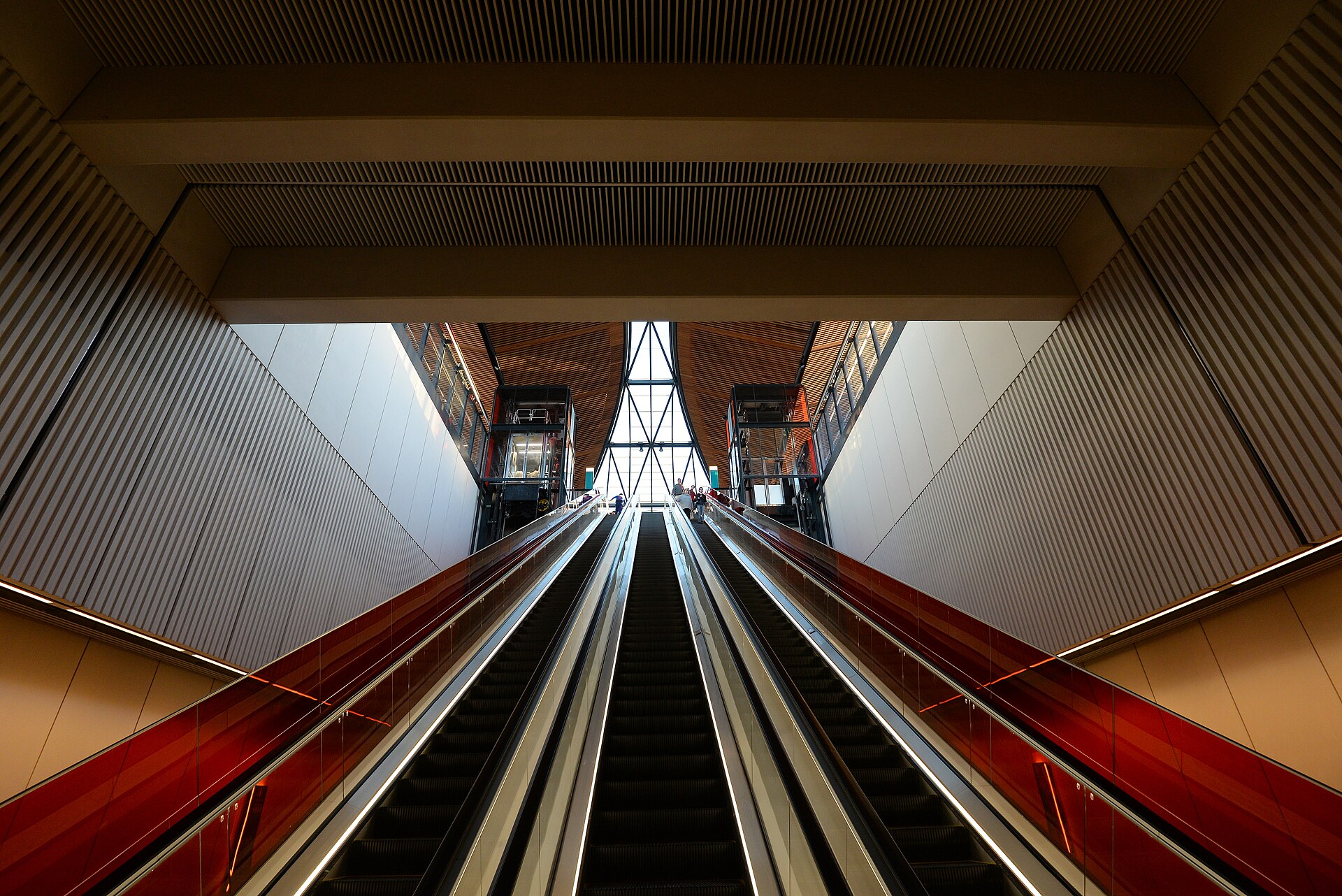
Castle Hill station concourse, July 2019. Photo: Sardaka / Wikimedia Commons, CC BY-SA 4.0. Display crop; image otherwise unchanged.


By Saif
Co-founder & Operations — Two Brothers Removals · 15 October 2026
Castle Hill’s metro changed the commute and the housing mix. Understand the stations, lifestyle and moving logistics before choosing your new home.
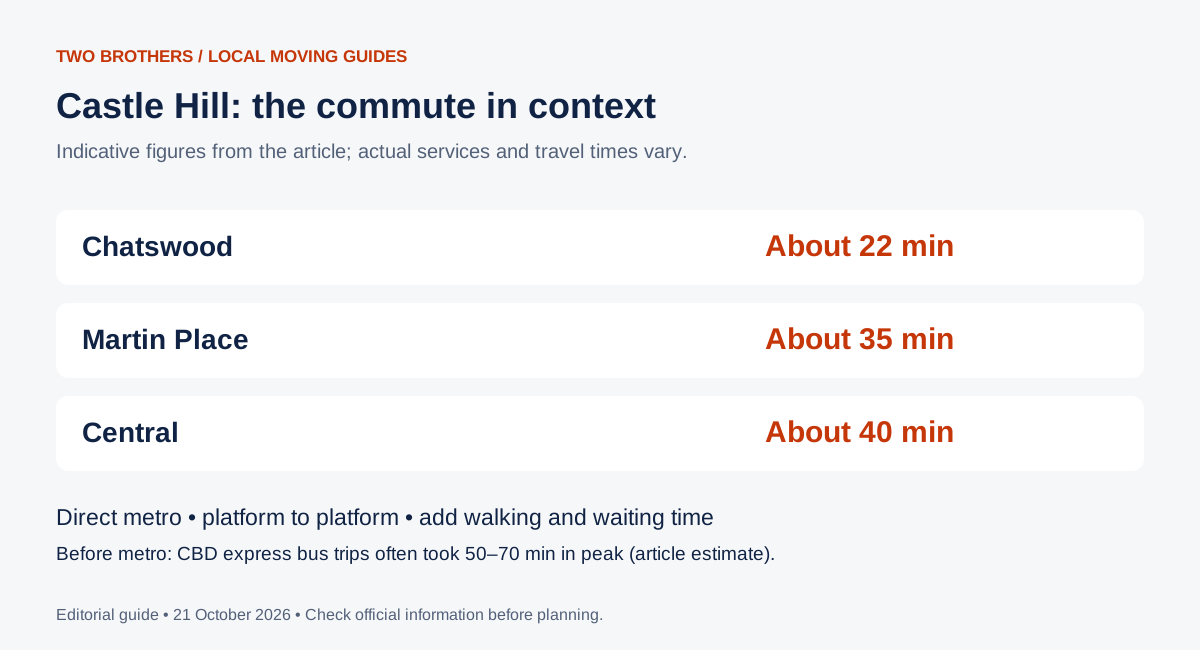
Ask anyone who commuted from Castle Hill before 2019 and they will describe the M2 crawl. Today, moving to Castle Hill comes with something the suburb simply did not have a decade ago: a train every four minutes at peak that reaches Chatswood in about 22 minutes and the CBD in roughly 35 to 40.
That single piece of infrastructure has reshaped how people weigh up Castle Hill against Baulkham Hills, Bella Vista and Cherrybrook. It has also reshaped the housing stock, the traffic around the stations, and the way moves are planned.
As a family-run Castle Hill removalist team with more than 15 years and 7,000 moves behind us, we see the practical side of that change every week: more apartment moves, more lift bookings, tighter loading zones. Here is the honest picture of the commute, the lifestyle and what it all means on moving day.
Key takeaways
- Sydney Metro Northwest opened 26 May 2019, and the City section followed on 19 August 2024, giving Castle Hill a one-seat ride to Martin Place and Central.
- Castle Hill to Epping is about 6 minutes, Chatswood about 22, Martin Place about 35 and Central around 40.
- There is no commuter car park at Castle Hill station. The nearest is Hills Showground, roughly 2 km away with about 600 spaces.
- The station changed the housing mix. Expect more strata, shared driveways and lift bookings for moves near Showground Road and Old Northern Road.
- Median house price is around $2.5 million; median unit around $1 million, so the suburb now spans entry-level apartments to large family homes.
Castle Hill at a glance (2026)
| Detail | Figure |
|---|---|
| Metro line | M1 Metro North West & Bankstown Line |
| Castle Hill station opened | 26 May 2019 |
| Metro City section opened | 19 August 2024 |
| Castle Hill to Epping | About 6 minutes |
| Castle Hill to Chatswood | About 22 minutes |
| Castle Hill to Martin Place | About 35 minutes |
| Castle Hill to Central | About 40 minutes |
| Peak frequency | Roughly every 4 minutes |
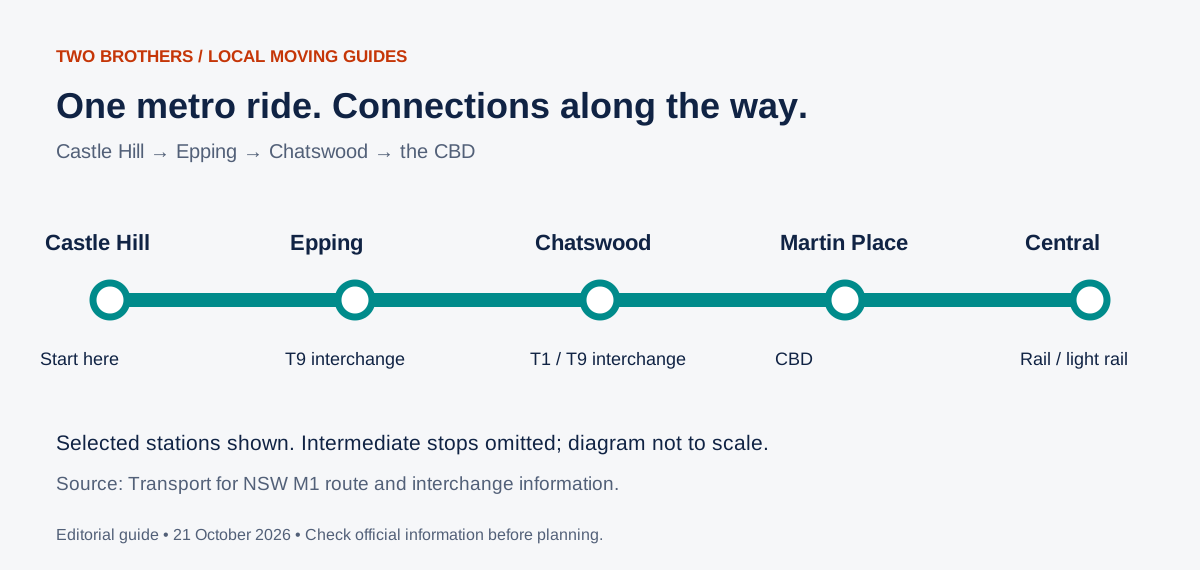
| Interchanges | Epping (Sydney Trains T9), Chatswood (T1 North Shore) |
| Commuter parking at station | None at Castle Hill; about 600 spaces at Hills Showground |
| Median house / unit price | About $2.5 million / $1.0 million (2025) |
| Population | 40,874 (2021 Census) |
| Castle Towers | 223 stores; $600 million expansion from late 2026 |
What the Metro Northwest actually changed
Before the metro, Castle Hill commuters relied on express buses down the M2 or drove to Epping or Beecroft for a train. A CBD trip of 50 to 70 minutes in peak was common, and one incident on the motorway could add half an hour without warning.
Sydney Metro Northwest changed that by running a fully automated train on a dedicated line, so road traffic no longer sets the timetable. Castle Hill became one of 13 stations on the original Tallawong to Chatswood route, and in August 2024 the line was extended under Sydney Harbour and through the CBD.
Before and after: the commute in numbers
- Epping: about 6 minutes, versus 15 to 25 minutes by car in peak.
- Macquarie Park: a short hop, which matters if you work in one of the biggest employment clusters in Sydney.
- Chatswood: about 22 minutes, with a direct interchange to the North Shore line.
- Martin Place: about 35 minutes, so the CBD is now a genuine daily option.
- Central: around 40 minutes, useful for universities, hospitals and the southern interchange.
Trains run roughly every four minutes at peak and every five to seven minutes between peaks, which is the difference between planning your day around a timetable and simply turning up.
Castle Hill and Hills Showground stations
Castle Hill station sits directly under the Castle Towers precinct, with a street-level bus interchange that feeds local routes into the station. If you are house-hunting on a map, look at the walk first: Castle Hill is a large suburb, and plenty of homes sit two or three kilometres from the entrance.
Hills Showground station to the south-west serves the showground and the newer apartment precinct off Showground Road. It is the station with the commuter car park, and it has become the de facto park-and-ride for the southern half of the suburb.
The interchanges at Epping and Chatswood
You are not locked into the metro network. At Epping you can switch to Sydney Trains for Hornsby, Strathfield and the Northern Line. At Chatswood you can cross to the T1 North Shore line for North Sydney, St Leonards, Gordon and Hornsby.
For most Castle Hill commuters, though, the value is the one-seat ride. Change once and you have covered the whole city.
The honest commute reality
The metro is fast, but the door-to-door number is not the platform-to-platform number. Be realistic about three things before you sign a lease.
The last mile. From most Castle Hill streets the station is a 10 to 20 minute walk or a short bus ride. That is fine in summer, less fun in a wet winter morning, and it is worth testing at 7:45am rather than 2pm on a Saturday.
Parking is the weak point. Castle Hill station has no commuter car park. Hills Showground's 600 spaces are the nearest dedicated option, and they fill early on weekdays. Castle Towers parking is paid or time-limited, with enforcement, so it is not a long-term commuter solution.
The metro does not solve every trip. If you work in Parramatta, Blacktown, Liverpool or anywhere west and south-west, you will still be driving. Castle Hill is a north-shore and CBD commuter suburb, and that framing matters when you are comparing suburbs.
Castle Hill today: the lifestyle picture
The commute is the headline, but people stay for the everyday amenity. Castle Hill behaves like a small city centre with a suburban fringe, which is exactly why it suits families and professionals at the same time.
Castle Towers, the RSL and the library
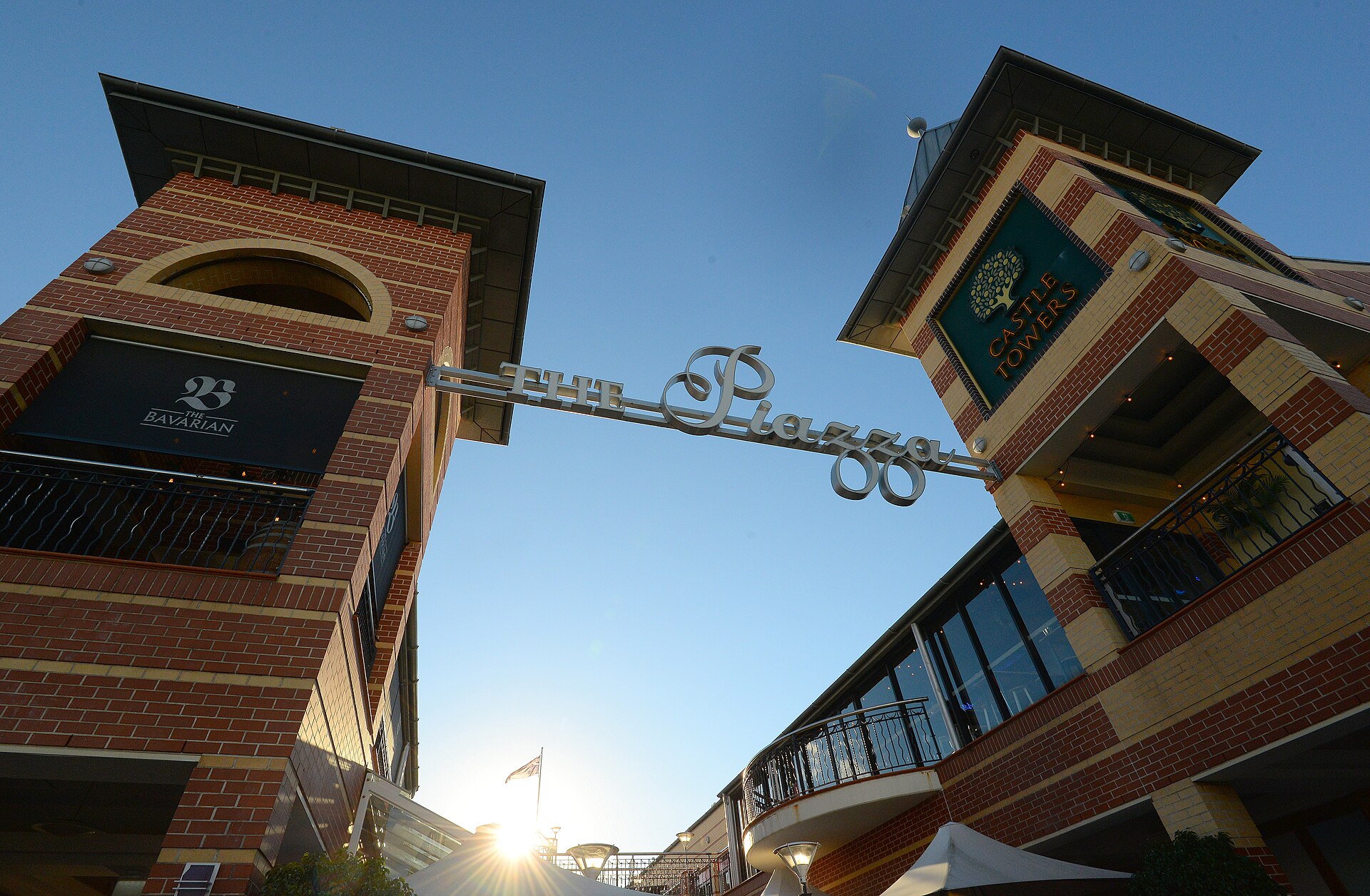
Castle Towers is the anchor, with around 223 stores, dining and entertainment directly above the station. QIC has confirmed a $600 million transformation adding roughly 70 shops and a rooftop health and wellness precinct, with construction starting from October 2026 and the centre staying open throughout.
Castle Hill RSL on Castle Street is the social hub for many families, with the Courtyard Kitchen, Asian dining, a steakhouse and a sports bar. Castle Hill Library runs late on weekdays until 8pm and opens Sunday afternoons, which is the kind of detail that matters once you have school-age kids.
Parks, walks and the lookout
Behind the shopping centre, the suburb is greener than it looks. Castle Hill Heritage Park is about 20 hectares off Banks Road, with walking tracks and interpretive signage covering the site's Dharug history, the convict farm and the 1804 Vinegar Hill rebellion. Bidjigal Reserve adds proper bushwalking, including the Burraga Track.
If you have searched for the Castle Hill lookout, the spot locals point to is Mount Wilberforce Lookout Reserve on Castle Hill Road in neighbouring West Pennant Hills, with a picnic shelter, playground and district views.
Schools
The suburb is well served and strongly catchment-driven. Families look at Castle Hill Public School, Oakhill Drive Public School and Samuel Gilbert Public School at primary level, then Castle Hill High School, Gilroy Catholic College and Oakhill College for secondary. Catchments follow street boundaries, so confirm the specific address before you commit, not after.
The housing mix
This is where Castle Hill differs from its neighbours. You can buy a 1970s brick family home on a quiet street, a townhouse in a small complex, or a near-new apartment within walking distance of the station. Median prices sit around $2.5 million for houses and $1 million for units, which means the suburb now hosts first-home buyers and downsizers alongside established families.
If you are still mapping the wider area, our guide to moving in the Hills District covers how the surrounding suburbs compare.

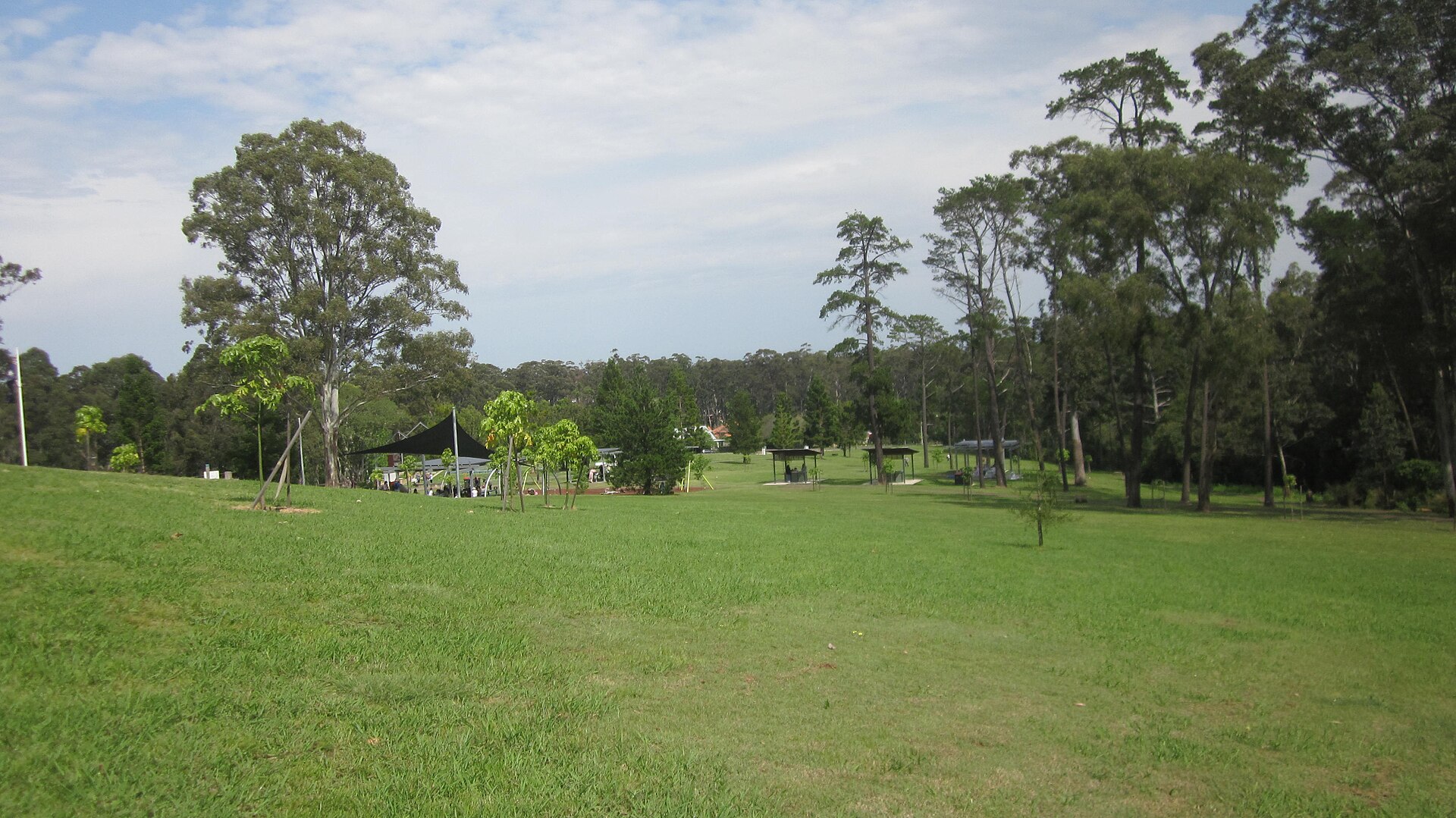

What the Metro did to the suburb
Put a station in the middle of a car-dependent suburb and the housing stock follows. Around Castle Hill and Hills Showground, older low-rise sites have been replaced by apartment buildings, and the Hills Showground Station Precinct masterplan allows up to 1,620 homes alongside retail, commercial and open space.
For anyone moving, that shift has three practical consequences:
- More strata moves. Access, lift protection and booking rules vary building to building, and some buildings restrict move times to weekdays.
- Lift bookings and loading zones. A lift booking is not optional in a tower, and loading zones near the station are short and enforced. A move that runs late can lose its slot.
- Tighter street parking. Older streets around the station were never designed for today's car ownership, and many now have time-limited or permit parking.
We are watching the same pattern play out along the new metro corridor in the south-west, which we covered in our guide to the metro coming to Macarthur. New transport always arrives ahead of the housing, and the moving logistics follow.
Castle Hill vs Baulkham Hills, Bella Vista and Cherrybrook
There is no single winner here. It depends on which part of the commute and which part of the budget matters most.
| Suburb | Metro access | Feel | Best for |
|---|---|---|---|
| Castle Hill | Castle Hill and Hills Showground stations | Busy town centre with leafy pockets | Families wanting amenity plus a fast CBD trip |
| Baulkham Hills | No station of its own; drive or bus to Castle Hill or Hills Showground | Quieter, more traditional suburban | Buyers wanting space and value over a short walk to a platform |
| Bella Vista | Bella Vista station, walkable to Norwest Business Park | Modern, apartment-heavy, business-focused | Professionals working in Norwest or the CBD |
| Cherrybrook | Cherrybrook station | Quiet, green, strong school reputation | Families prioritising schools and low-density streets |
If you compare Castle Hill with Baulkham Hills specifically, it usually comes down to walkability versus land size. Baulkham Hills often gives you a bigger block and a lower entry price, while Castle Hill gives you a station you can walk to and a town centre at the end of the street. Our removalist in Baulkham Hills team moves in both, and the split is rarely about the house alone.
Practical moving considerations for a Castle Hill move
A few local realities make a Castle Hill move different from a Blacktown or Camden move.
Apartment versus house. For apartments, confirm lift dimensions, booking windows and any building insurance requirements before the day. For houses, check driveway gradient and street width, because some of the older hills streets are narrow with steep crossovers.
Station-adjacent streets. If you are moving into a street within a few hundred metres of the station, expect restricted parking and time limits. A council permit or a loading zone booking can be the difference between a smooth morning and a stressed one.
School-time traffic. Old Northern Road and Showground Road clog between 8am and 9am and again from 3pm. Start earlier than you think you need to, especially on a weekday.
Weather and slope. Castle Hill sits on a ridge, and afternoon storms arrive fast. Wrapping furniture and weatherproofing the load is standard for us, not an upsell, which is one of the reasons families keep booking us back.
For the full service picture, including what is included at no extra cost, see our removalist in Castle Hill page.
Ready to lock in your moving date?
Castle Hill's weekends book out quickly, and end-of-month dates go first. If you are moving into an apartment near the station, the lift booking usually sets your date.
Talk to our team for a fixed, transparent quote with furniture wrapping and disassembly included. No surprises, no last-minute add-ons.
Get a Castle Hill removalist quote today and lock in your date before the calendar fills.
Frequently asked questions
How long is the metro from Castle Hill to the CBD?
About 35 minutes to Martin Place and around 40 to Central, using the M1 line with no change required. Trains run roughly every four minutes at peak.
Is there parking at Castle Hill Metro station?
No. Castle Hill station has no commuter car park. The nearest dedicated option is Hills Showground, about 2 km away with roughly 600 spaces, accessed from De Clambe Drive. It fills early on weekdays.
Is Castle Hill a good suburb for families?
Yes, and the metro is a large part of why. Castle Hill is a well-established family suburb with strong school options, parkland, a major shopping and dining precinct, and a fast connection to the CBD and North Shore.
What is the difference between Castle Hill and Hills Showground stations?
Castle Hill station sits under the Castle Towers precinct with a bus interchange, while Hills Showground serves the showground and the newer apartment precinct, and has the commuter car park. Both are on the same line, a few minutes apart.
Do I need to book a lift for an apartment move in Castle Hill?
In almost every building, yes. Bookings are managed by strata or the building manager, and many restrict move times to weekdays. Confirm the lift dimensions and any protection requirements before moving day.
Useful sources
- Sydney Metro travel calculator for live journey times
- Transport for NSW: M1 Metro North West & Bankstown Line
- NSW Government: Sydney Metro City opening announcement
- QIC: $600 million Castle Towers transformation
- The Hills Shire Council: Castle Hill Library
- The Hills Shire Council: Castle Hill Heritage Park
- NSW Planning Portal: Hills Showground Station Precinct
Where to next
About the author: Saif
Co-founder & Operations — Two Brothers Removals
Saif is the one you'll usually meet on the driveway. More than 7,000 Sydney moves later he still runs the daily schedule, briefs each crew before they leave the depot, and jumps on the jobs with tight access, heavy pianos or a same-day deadline.
He built the way we wrap and load: blankets on every timber edge, mattress covers as standard, straps against the wall of the truck rather than through your furniture. If a job runs into a stairwell nobody measured or a lift the building forgot to book, Saif is the phone call that sorts it out while the crew keeps working.
- • Truck loading, load restraint and heavy-item handling
- • Same-day and tight-access moves across South Western Sydney
- • Crew training, uniforms and job briefings