
31 min read
Ultimate Moving Tips Your Complete Guide for a Stress Free Move
Ultimate Moving Tips: Your Complete Guide for a Stress-Free Move

By Nawar
Co-founder & Quoting — Two Brothers Removals · 25 January 2026
Moving doesn’t have to be stressful. After helping over 7,000 families and businesses relocate across Sydney, we’ve learned what actually works—and what causes unnecessary stress.
Whether you’re moving across suburbs with a home removalist, relocating your business with office removalists, or planning an interstate move from Sydney, this guide shares the proven strategies that make moves smoother. We’ll walk you through planning, packing techniques that protect your belongings, and the common mistakes that cost people time and money.
- A realistic timeline that keeps you on track (not overwhelmed)
- Packing strategies from 15+ years of professional experience
- Room-by-room systems that actually save time
- Moving day preparation that prevents last-minute chaos
- Speciality advice for offices, apartments, and interstate relocations
Planning isn’t about creating the perfect spreadsheet—it’s about avoiding these preventable problems:
- Broken or damaged items from rushed packing
- Higher costs from booking removalists at the last minute
- Unnecessary stress from forgotten utilities or services
- Items that don’t fit through doorways or stairwells
- Mix-ups between what should be kept, donated, or thrown away
- Know exactly what needs to happen each week
- Coordinate smoothly with your removalist team
- Protect your valuable and sentimental items
- Save money by decluttering before you move
- Actually sleep the night before moving day
- Lock in your moving date – Weekends fill up fast, especially during summer
- Book your removalist service – Experienced teams across Sydney get reserved quickly (get an instant quote)
- Start decluttering room by room – This is when you decide what’s actually coming with you
- Research storage options – Useful if your move-in date and move-out date don’t align
- Notify your landlord – Check your lease for notice requirements
- List unwanted items – Sell, donate, or arrange rubbish removal for furniture you won’t need
- Pack non-essential items – Guest rooms, seasonal clothing, books, décor
- Submit your change of address – Australia Post, banks, insurance, Medicare, electoral roll
- Contact utility providers – Electricity, gas, water, internet
- Confirm details with your movers – Access, parking, special items
- Arrange childcare or pet care – Keep them safe and comfortable on moving day
- Pack your essentials box – What you’ll need for the first 24 hours
- Prepare a moving day survival kit – Chargers, snacks, toiletries, medications
- Disassemble furniture if needed – Or confirm your removalists will handle it
- Double-check truck access – Especially important for apartments and narrow streets
- Residential moves within Sydney’s metropolitan area
- Quick turnarounds between suburbs
- Flexible scheduling for smaller moves
- Familiarity with local streets, access issues, and parking restrictions
- Transparent hourly rates with no hidden fees
- Availability on weekends or evenings if needed
- Longer travel time means items spend more time in transit
- Secure packing and loading are critical
- Overnight storage may be required
- Professional teams use specialised equipment and larger trucks
- Transit insurance for your belongings
- Estimated delivery timeframes
- How they handle delays or changes
- Experience with your specific route
- Desks, workstations, and office chairs
- Filing cabinets and storage systems
- IT equipment (computers, monitors, servers)
- Boardroom furniture
- Document transport with confidentiality
- Schedule moves after hours or on weekends
- Back up all data before disconnecting equipment
- Label workstations clearly so staff can set up quickly
- Assign one point of contact to coordinate with the movers
Learn more about our office removalist services.Some items need more than standard handling
- Pianos (upright or grand)
- Pool tables (dismantling and re-levelling required)
- Antiques and collectibles
- Large wardrobes and entertainment units
- Heavy gym equipment
- Fragile artwork or sculptures
After 15 years in the industry, we’ve seen people pay to move broken furniture, expired pantry items, and clothes they haven’t worn in years. Don’t make the same mistake.
- Fewer items = fewer boxes = lower moving costs
- Smaller truck or fewer trips required
- Less packing supplies needed
- Faster packing and unpacking
- Easier to organise your new home
- Fresh start without old clutter
- Less overwhelming to unpack
- Clearer sense of what you actually value
- Opportunity to donate items to people who need them
- Donate clothes you haven’t worn in 12+ months
- Sort through bedding—keep only what you’ll actually use
- Clear out old shoes, accessories, and personal items
- Go through wardrobes and drawers systematically
- Throw away expired food and spices
- Donate duplicate utensils, pots, and serving dishes
- Clear out old containers with missing lids
- Remove small appliances you haven’t used in years
- Recycle old magazines, books, and DVDs
- Donate furniture that doesn’t suit your new space
- Remove outdated electronics
- Clear decorative items that no longer match your style
- Dispose of expired medications and toiletries
- Throw away old towels and bathmats
- Remove empty or barely-used products
- Declutter makeup and skincare items
- Get rid of rusted or broken tools
- Dispose of damaged sports equipment
- Clear out storage boxes you haven’t opened in years
- Remove paint cans, chemicals, and hazardous materials properly
This is especially useful when you discover items during packing that you don’t want to bring to your new home.Quality packing supplies protect your belongings and make the entire process smoother. Cheap boxes and weak tape cause more problems than they’re worth.
- Small boxes (books, tools, heavy items)
- Medium boxes (kitchenware, electronics, décor)
- Large boxes (bedding, pillows, lightweight items)
- Specialty boxes (wardrobe boxes, dish packs)
- Bubble wrap (fragile items)
- Packing paper or butcher paper (wrapping dishes, glassware)
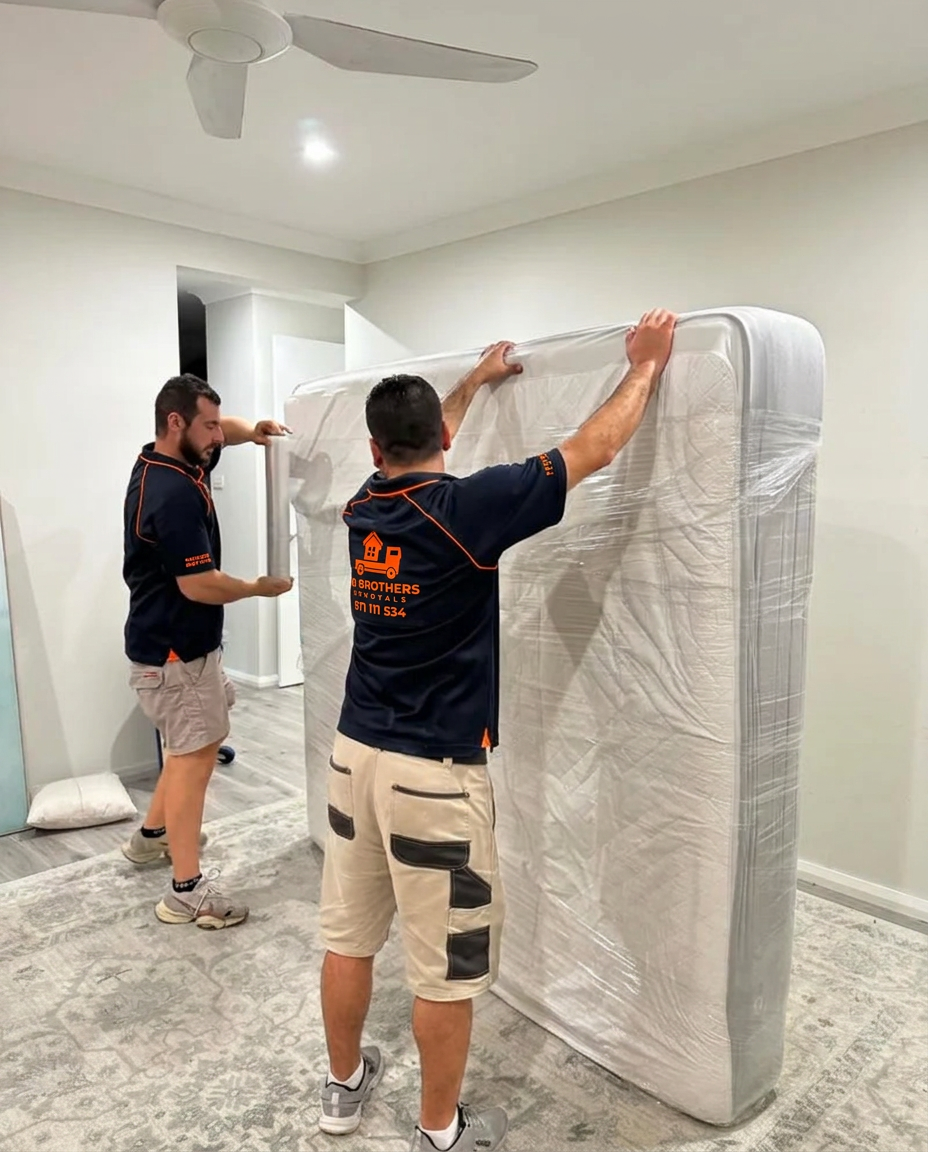
- Moving blankets (furniture protection)
- Mattress protectors
- Heavy-duty packing tape
- Stretch wrap (securing drawers, protecting furniture)
- Rope or moving straps
- Permanent markers (bold, waterproof)
- Coloured stickers (room coding)
- Zip-lock bags (screws, bolts, small hardware)
- Labels or masking tape
- Furniture sliders (protect floors)
- Trolley or dolly (heavy items)
- Box cutter or scissors
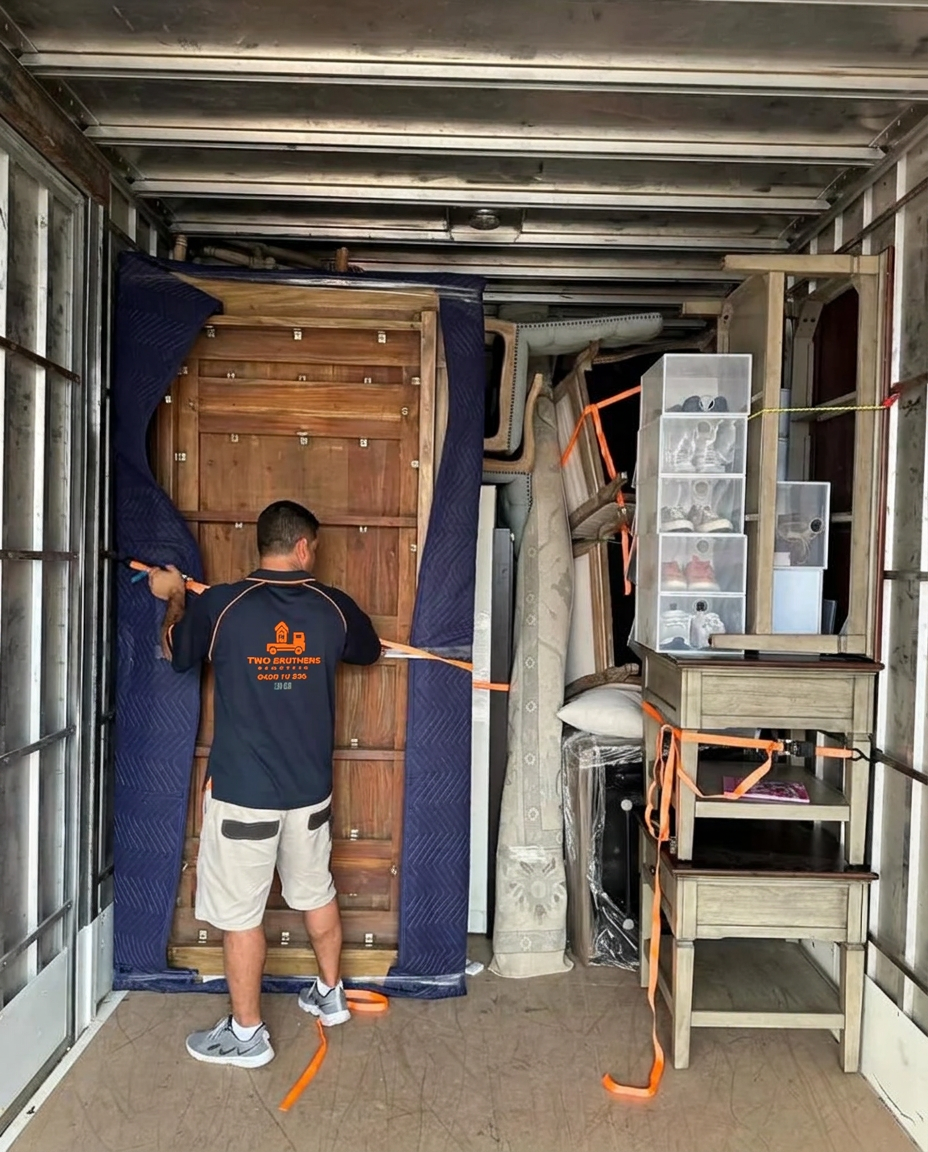
Weak boxes collapse when stacked or when picked up, spilling contents and potentially breaking fragile items.
Poor-quality tape fails during loading, causing boxes to open and items to fall out.
Insufficient padding leads to chips, cracks, and breaks in glassware, electronics, and furniture.
Investing in proper supplies is cheaper than replacing damaged belongings.Packing isn’t just about putting items in boxes—it’s about protecting your belongings, using space efficiently, and making unpacking manageable.Random packing creates chaos. A structured approach keeps you in control.Finish each room completely before moving to the next. This prevents mixing items from different rooms and makes unpacking far easier.Start with spaces you don’t use daily :
- Spare bedrooms
- Guest bathroom
- Garage or storage areas
- Linen cupboards
This builds momentum without disrupting your daily routine.These contain items you’ll use right up until moving day :
- Kitchen : everyday dishes, coffee maker, basic utensils
- Bathroom : daily toiletries, towels
- Bedroom : current clothes, alarm clock
Label these “Open First” and load them last so they come off the truck first.Fragile items need careful handling, especially during long-distance moves where they experience more vibration and movement.
- Line the bottom of the box with crumpled packing paper (creates cushioning)
- Wrap each glass or plate individually in paper
- Place items vertically in the box (like records) rather than stacking flat
- Fill gaps with crumpled paper to prevent movement
- Keep the box weight reasonable—don’t overfill
- Label clearly: “FRAGILE – KITCHEN GLASSWARE”
- Use original boxes when possible (designed for the item)
- Wrap screens with moving blankets or bubble wrap
- Remove batteries from remotes and devices
- Place cables in labeled zip-lock bags
- Take photos of cable setups before unplugging
- Mark boxes “THIS SIDE UP” if relevant
- Use corner protectors on all four corners
- Wrap the entire piece in bubble wrap
- Use a flat mirror box or create a cardboard sandwich
- Mark “FRAGILE – GLASS” on multiple sides
- Keep these items upright during transport
These steps help your items survive the bumps, turns, and stacking that happen in every move.Some items need more than standard packing techniques.
- Remove legs when possible (easier to move and less risk of damage)
- Tape hardware to the underside or store in labelled bags
- Wrap in moving blankets to prevent scratches
- Use furniture sliders to move items without damaging floors
- Protect corners with cardboard or foam
- Specialised equipment (piano skids, dollies, ramps)
- Multiple trained movers
- Careful balance and weight distribution
- Padding to protect the finish
- Climate-controlled transport for valuable instruments
Even small upright pianos weigh 200–300kg. Grand pianos can exceed 500kg.Pool tables need partial dismantling, careful slate handling, and re-levelling at the new location. The slate alone can weigh over 200kg and breaks easily if handled incorrectly.
- Defrost fridges and freezers 24–48 hours before moving day
- Clean and dry thoroughly to prevent mould
- Tape doors shut and secure cords
- Protect edges with padding or blankets
- Remove shelving if it’s loose
- Prevents crushing of fragile items
- Keeps boxes stable during stacking
- Reduces tipping when lifting
- Run one strip of tape along the centre seam
- Add two strips along the edges (forming an “H”)
- This reinforces the bottom and prevents splitting
Use this method on both the bottom and top of each box.A box should close comfortably without bulging.
- Box won’t close without forcing
- Sides bulge outward
- Weight feels excessive for the size
Overpacked boxes burst during stacking or collapse when lifted. Use a larger box or split the contents between two boxes.Create an “Essentials Box” containing everything you’ll need for the first 24–48 hours :Interstate moves require :
- Phone chargers and power banks
- Toiletries (toothbrush, toothpaste, soap, shampoo)
- Medications
- Change of clothes
- Bed sheets and pillows
- Towels
- Snacks and drinks
- Important documents (lease, IDs, insurance)
- Basic cleaning supplies
- Pet food and supplies (if relevant)
Keep this box with you during the move—don’t load it on the truck.Clear labelling prevents confusion on moving day and speeds up unpacking by days.
- Destination room (KITCHEN, BEDROOM 1, OFFICE)
- General contents (PLATES & BOWLS, WINTER CLOTHES, FILES)
- Handling instructions (FRAGILE, HEAVY, THIS SIDE UP)
- Priority level (OPEN FIRST, CAN WAIT)
- Box number (1 of 15 – KITCHEN)
- Red = Kitchen/li>
- Blue = Bedrooms
- Green = Bathrooms
- Yellow = Living Room
- Orange = Garage/Storage
Your movers will know instantly where each box goes without asking you every time.For larger moves or interstate relocations, maintain a simple inventory :
- Number of boxes per room
- High-value items
- Fragile items
- Items transported separately (in your car)
A basic spreadsheet works perfectly. This becomes essential if you need to file an insurance claim or track down missing items.A little preparation before your movers arrive prevents delays, protects your property, and ensures everything runs smoothly.
- Hallways
- Doorways
- Staircases
- Driveways
Movers work faster when they can walk freely, and clear paths prevent trips and accidents.
- Saves significant time—every extra meter adds up over dozens of trips
- Prevents parking fines
- Ensures truck access
- Temporary no-parking permits
- Loading zone usage
- Restrictions on your street
For apartments, confirm loading zone booking with building management.
- Floors (especially timber, tile, or polished concrete)
- Carpet in hallways
- Door frames and corners
- Stair railings
This prevents scratches, dents, and scuff marks during heavy furniture removal.Confirm with your removalist whether they handle furniture dismantling or if you need to do it yourself.
- Bed frames
- Large wardrobes
- Dining tables
- Office desks
- Shelving units
- Keep all hardware together in labeled bags
- Take photos of the assembly for reference
- Tape hardware bags to the furniture piece
- Arrange care with family or friends
- Keep them in a closed room away from the action
- Take them out for the day
This keeps them safe and allows movers to work efficiently without worrying about small children or animals in the way.Moving day doesn’t need to be stressful. Clear communication and preparationWhen your movers arrive, take a few minutes to walk them through :
- Which boxes are fragile or contain valuable items
- Items requiring special care (antiques, musical instruments, electronics)
- What should be loaded first (items needed last at the new place)
- Access limitations (narrow doorways, stairs, apartment restrictions)
- What you’re transporting in your own car
Clear communication at the start prevents mistakes and saves time.Understanding the loading process helps you plan what gets packed where.
- Fridges and freezers
- Washing machines and dryers
- Couches and lounge suites
- Mattresses (standing upright)
- Dining tables and chairs
- Desks and office furniture
- Bookcases
- Boxes of moderate weight
- Boxes marked fragile
- Electronics
- Lamps
- Artwork and mirrors
- Straps keep heavy items stable
- Blankets prevent scratches and shifting
- Smaller items fill gaps to prevent movement
This system prevents damage during transport and makes unloading more efficient.Stay available but out of the way. Movers work fastest when they can move freely.
Be ready to answer questions about fragile items, room destinations, or special instructions.
- Check cupboards and wardrobes
- Look under beds
- Check bathrooms and laundry
- Inspect the garage and outdoor areas
- Confirm nothing is left behind
- Narrow stairwells
- Elevator restrictions and booking requirements
- Limited loading zones
- Time restrictions (no moves before 9 am or after 5 pm in some buildings)
- Shared hallways requiring extra care
- Contact building management weeks in advance
- Book elevator access for specific time slots
- Reserve loading zones or parking
- Measure large furniture against doorways, hallways, and elevators
- Notify neighbours if possible
- Protect common areas with floor coverings
- Workstations and office desks
- Filing cabinets and document boxes
- IT equipment (computers, servers, printers)
- Office chairs and boardroom furniture
- Industrial shelving
- Sensitive documents
- Create a detailed floor plan for the new space, showing where each workstation goes
- Label everything clearly – Use numbered labels for desks, chairs, and equipment
- Back up all data before disconnecting any IT equipment
- Schedule the move strategically – Weekends or after hours to avoid business disruption
- Communicate with staff – Everyone should know the timeline and what to pack themselves
- Plan IT setup – Have technicians ready to reconnect equipment quickly
Check our office removalist packages for comprehensive business relocation options.Warehouse relocations involve heavy equipment, inventory systems, and specialised handling.
- Heavy-lifting equipment (forklifts, pallet jacks)
- Trained industrial movers
- Secure packaging for inventory
- Inventory management systems
- Logistics planning for minimal operational disruption
- Pallet racking and shelving systems
- Industrial equipment
- Inventory and stock
- Office areas within warehouses
- Loading dock equipment
- Longer transit time (sometimes multiple days)
- Greater risk of damage from extended travel
- Possibility of overnight storage
- Need for precise scheduling
- Higher stakes for packing quality
- Use only strong, new boxes – Weak boxes won’t survive long-distance transport
- Extra padding for fragile items – More bubble wrap and packing paper than local moves
- Label everything meticulously – Include your phone number on boxes
- Photograph valuable items before packing – Creates a record for insurance
- Confirm delivery windows – Interstate moves may have 2–3 day delivery windows
- Ask about tracking – Know where your belongings are during transit
Explore our interstate removalist services for long-distance moves from Sydney.These practical shortcuts save time, reduce effort, and keep you organised.Suitcases have wheels and handles—use them for your advantage.
- Books (which are very heavy in boxes)
- Tools
- Documents and files
- Gym weights
- Small appliances
Heavy items become easier to move, and you save your back.
- TV and entertainment systems
- Computer setups
- Wifi routers
- Complex furniture configurations
These reference images save hours during setup at your new home.Reduce waste and save money by using what you already have :
- Socks (perfect for glasses)
- Tea towels (great for bowls and small plates)
- T-shirts (protect electronics)
- Scarves (wrap vases)
- Towels (layer between plates)
You’re packing these items anyway—might as well use them for protection.Save time by leaving lightweight items in drawers :
- Clothing
- Towels and bedding
- Stationery
- Lightweight accessories
How to do it: Wrap the entire drawer with stretch wrap or plastic wrap to keep contents secure.
- Heavy items (remove these)
- Fragile items (pack separately)
- Liquids (risk of spills)
- “Dining table screws”
- “Bed frame bolts”
- “Bookshelf hardware”
- “TV mount brackets”
This prevents the frantic search for missing screws during reassembly.Instead of one large essentials box, create category-specific kits :
- Wipes and disinfectant
- Gloves
- Bin bags
- Paper towels
- Screwdriver
- Allen keys
- Wrench
- Hammer
- Tape measure
- Two plates, bowls, and mugs
- Basic cutlery
- Kettle or coffee maker
- Saucepan
- Tea, coffee, sugar
- Toilet paper
- Soap and shampoo
- Toothbrush and toothpaste
- Broken items from careless wrapping
- Disorganised boxes make unpacking chaotic
- Unnecessary stress and exhaustion
- Forgetting important items
Solution : Start packing 2–3 weeks before moving day, beginning with items you rarely use.Box size matters more than people realise.
Common error : Filling large boxes with heavy items like books or tools.
- Difficult to lift safely
- Prone to bottom failure
- Risk of injury
- Hard to stack
- Heavy items → small boxes
- Light items → large boxes
- Broken furniture
- Clothes they never wear
- Expired pantry items
- Old electronics
- Duplicate kitchen items
Solution : Declutter before packing. Donate, sell, or arrange rubbish removal for unwanted items.
- Summer months (December–February)
- End of month (lease changeovers)
- Weekends
- Public holiday periods
Solution: Book your removalist 4–6 weeks in advance, longer during peak periods.
- Scratched timber floors
- Scuffed walls
- Chipped door frames
- Dented corners
Solution: Use blankets, cardboard, or plastic sheeting to protect high-traffic areas and floor surfaces.Liquids leak during moves—it’s almost guaranteed.
- Shampoo bottles crack under pressure
- Cleaning products spill
- Cooking oils leak
- Leaks damage other items in the box
- Wrap each liquid container in a plastic bag before boxing
- Keep liquids in a separate, clearly marked box
- Transport cleaning chemicals in your car if possible
- Write “FRAGILE” in large, bold letters
- Mark multiple sides of the box
- Use red markers or stickers for visibility
- Verbally point out fragile boxes to your movers
- Through doorways
- Up stairwells
- Into elevators
- Around tight corners
- Measure doorways, hallways, staircases, and elevators
- Measure large furniture pieces
- Consider dismantling if measurements are tight
- Plan alternative routes or hoisting if needed
- Pets escaping through open doors
- Injury from moving equipment
- Extreme stress and anxiety
- Arrange pet care for the day
- Keep pets in a quiet, closed room with food and water
- Take them out for the day if possible
- Your new home isn’t ready yet
- Renovating before moving in
- Downsizing and don’t know what will fit
- Staging your current home for sale
- Interstate move with delayed delivery
- Temporary relocation
- Clean and dry all surfaces thoroughly
- Disassemble furniture when practical
- Drain appliances completely
- Remove batteries from electronics
- Wrap furniture in breathable materials (not plastic—it traps moisture)
- Use furniture covers or blankets
- Place moisture absorbers in boxes
- Keep items off the floor using pallets or shelving
- Label every box clearly
- Create an inventory list
- Take photos of items going into storage
- Keep the inventory somewhere safe
- Heaviest items on the bottom
- Create aisles so you can access items
- Keep frequently needed items near the front
- Use climate-controlled storage for valuable items
- Place moisture absorbers throughout
- Avoid storing food items
- A numbered list
- Photos of boxes
- Notes about contents
- Bedding (you need to sleep tonight)
- Toiletries (bathroom basics)
- Kitchen basics (kettle, mugs, plates, cutlery)
- Fresh towels
- Phone chargers
- Kitchen (so you can prepare meals)
- Bathrooms (make them fully functional)
- Bedrooms (set up beds and wardrobes)
- Living room
- Dining room
- Home office
- Garage
- Storage areas
- Decorative items
- Books and non-essentials
- Beds
- Wardrobes
- Couches
This prevents moving boxes around repeatedly and gives you a clear sense of your space.Complete each room before moving to the next. This creates functional spaces quickly rather than having partially unpacked rooms throughout your home.Test everything within the first few days
- Washing machine and dryer
- Dishwasher
- Refrigerator
- Oven and cooktop
- Heating and cooling
- Hot water
- Electricity in all rooms
- Plumbing and taps
- Internet connection
- Security system
- Loose floorboards
- Exposed nails or screws
- Unstable shelving or fixtures
- Working smoke alarms
- Secure stair railings
- Trip hazards
Fixing these issues early prevents accidents.Sometimes it makes sense to have professionals handle the packing.Packing always takes longer than you think.
- Have young children and limited time
- Work full-time with demanding schedules
- Have valuable or fragile collections (art, antiques, china)
- Feel overwhelmed by the scale of the move
- Have mobility or health limitations
- Are organising an office or commercial move
- Providing all packing materials
- Labelling all boxes
- Loading packed items onto the truck
- Optional unpacking at your new home
- Significantly faster than doing it yourself
- Professional packing techniques protect items better
- Less risk of damage
- Reduced stress and physical strain
- Items are usually insured during packing
- Start early – Four weeks minimum for planning and decluttering
- Declutter before packing – Don’t move items you don’t need
- Use quality supplies – Protect your belongings properly
- Label everything clearly – Save hours during unpacking
- Communicate with your movers – Clear instructions prevent mistakes
- Stay organised – One room at a time, one step at a time
- Temporary parking permits for moving trucks
- Loading zone booking requirements
- Time restrictions for moves (some councils prohibit moves before 9 am or after 5 pm)
- Street closure applications, if needed
- Damage bond requirements for high-rise apartments
- Elevator booking systems and time allocations
- Check your council’s schedule – Many councils offer 1-2 free collections per year per household
- Book your collection early – Some councils require 1-2 weeks’ notice
- Understand what’s accepted – Most councils won’t collect hazardous materials, chemicals, or building waste
- Time it with your move – Schedule pickup for the week before you
- Follow placement rules – Items usually need to be placed on the kerb by a specific date
- Scheduled kerbside collection of large items
- Free or low-cost removal of furniture, mattresses, and appliances
- Green waste pickup for garden cleanup
- Metal items and scrap removal
- Booking systems for on-demand collections
- Liverpool City Council – Covering Liverpool, Prestons, Middleton Grange, and surrounding areas
- Campbelltown City Council – Serving Campbelltown, Ingleburn, Macquarie Fields, and the Macarthur region
- Blacktown City Council – Covering Blacktown, Mount Druitt, and surrounding suburbs
- Camden Council – Serving Camden, Oran Park, Leppington, and Gregory Hills
- Penrith City Council – Covering Penrith, St Marys, and Western Sydney regions
- Fairfield City Council – Serving Fairfield, Cabramatta, and surrounding areas
- City of Parramatta – Covering Parramatta CBD and Greater Western Sydney areas
- Sutherland Shire Council – Serving Sutherland and Southern Sydney regions
- Home Removalist Services
- Office Removalist Services
- Interstate Removalist Services
- Warehouse Removalist Services
- All Service Locations
For more moving tips and advice, visit our blog.
References & further reading
We check our advice against these Australian sources so you're not relying on one company's word.
- NSW Fair Trading — moving house and removalists — Your consumer rights when hiring a removalist in NSW.
- Australian Furniture Removers Association (AFRA) — Industry standards for removalist equipment, training and insurance.
- Australia Post — mail redirection — Redirect your mail before settlement or the end of your lease.
- Service NSW — change your address — Update your licence, rego and other NSW records.
- Energy Made Easy — compare electricity and gas plans — Government comparison tool when connecting power at the new place.
- Safe Work Australia — manual handling and hazardous manual tasks — Why lifting technique and equipment matter on moving day.
Where to next
About the author: Nawar
Co-founder & Quoting — Two Brothers Removals
Nawar started with a single truck in Middleton Grange in 2009, and today he's the voice on the other end of the phone. He quotes almost every job we do, which means he has walked through, measured or asked about tens of thousands of Sydney homes — from Liverpool walk-ups to Oran Park new builds and Northern Beaches interstate loads.
His rule is simple: no surprises on invoice day. He works out how many hours a job honestly needs, tells you what could stretch it, and puts the inclusions in writing before you commit. He also handles insurance, licensing paperwork and the building forms high-rise moves always need.
- • Accurate hour-based quoting and move planning
- • Interstate and high-rise moves, building access forms
- • Insurance, licensing and customer care