
9 min read
Warehouse Relocations in Sydney What to Expect and How to Plan
Warehouse Relocations in Sydney: What to Expect and How to Plan

By Nawar
Co-founder & Quoting — Two Brothers Removals · 1 June 2025
Relocating a warehouse is a major undertaking that requires more than just trucks and labour. Unlike residential moves that involve boxes and furniture, warehouse relocations involve a complex network of inventory, machi
Why Warehouse Moves Are Different from Regular Relocations
A warehouse relocation is not just a matter of packing up equipment and moving it to a new building. Warehouses are operational environments with ongoing inventory management systems, scheduled deliveries, and often live production or dispatch operations. Every hour of downtime translates to lost productivity and potential revenue. This makes careful planning essential. From planning staff coverage and workflow interruptions to ensuring accurate inventory handling and racking disassembly, warehouse removals are highly specialised. Unlike home moves, they require the coordination of forklifts, pallet jacks, trained crews, and sometimes external contractors to move heavy-duty machinery or high-value stock.
Step One: Conduct a Full Audit of Your Inventory and Equipment
Before any packing or scheduling can begin, the first step is a complete warehouse audit. This involves identifying what equipment needs to be moved, what can be sold or disposed of, and what items require specialised handling. Take stock of your current inventory and ensure your management system is up to date. This will ensure that nothing is lost or misallocated during the move. Items should be tagged by category, storage type, and priority so your team or removalist knows what must be moved first and what can wait. A proper inventory audit also helps you allocate space at the new warehouse and prevents confusion during the reinstallation phase.
Mapping the Move: Creating a Detailed Relocation Plan
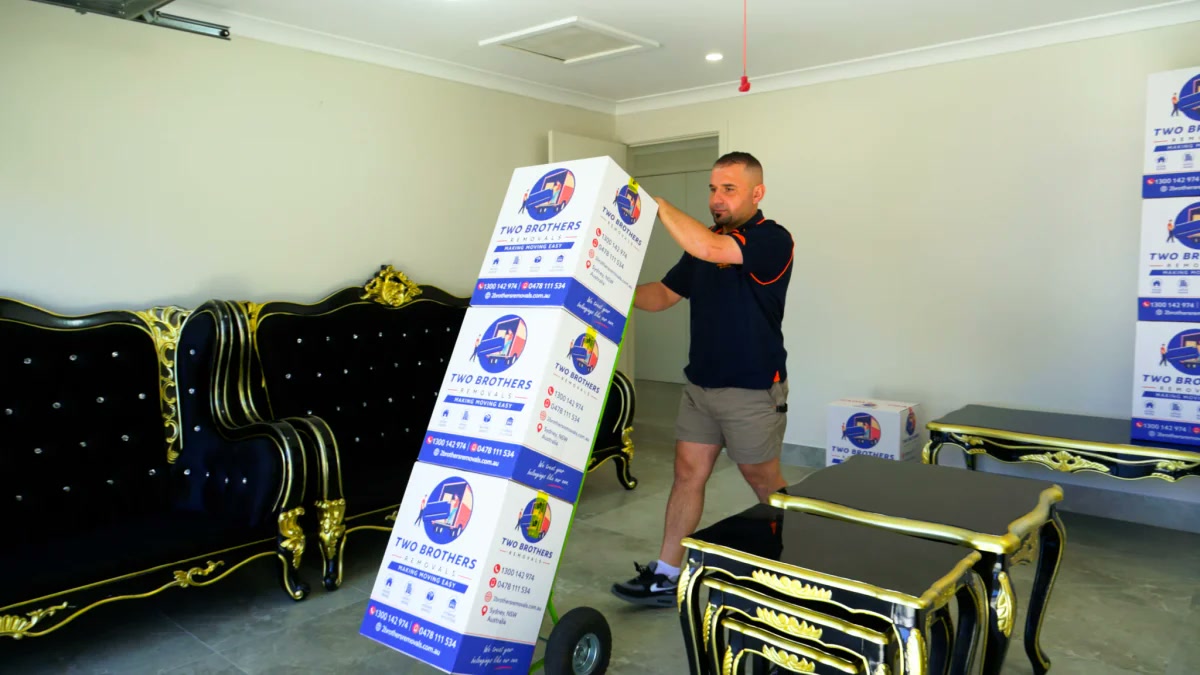
One of the most important aspects of warehouse relocation is the move plan. This document should include timelines, responsibilities, floor plans, safety procedures, equipment logistics, and contingency strategies. Break down the relocation into stages and assign team leads to each. Your removalist can assist in determining the safest and most efficient sequence to dismantle and transport items based on access and fragility. Having a clear plan also ensures your staff know what to expect, how their roles will change temporarily, and when specific sections of the warehouse will be offline.
Timing and Scheduling for Minimal Downtime
Warehouse relocations in Sydney often require after-hours or weekend schedules to avoid disrupting daily business operations. Professional removalists who specialise in warehouse and office removals understand this and offer flexible scheduling that minimises downtime. Choose a provider that can accommodate your operational needs and work around critical business hours. Some warehouses may choose to operate from two locations temporarily during the transition. In this case, it is crucial to have clear communication between both sites and an accurate inventory transfer plan to prevent double-handling or order delays.
Selecting the Right Warehouse Removalists in Sydney
Not all removalists are equipped to handle warehouse relocations. You need a team that understands logistics, safety protocols, and the physical requirements of dismantling heavy equipment, shelving, and racking systems. Ask your removalist if they have experience in warehouse removals specifically and whether they provide their own forklifts, moving dollies, or pallet equipment. Look for removalists who offer project managers or site supervisors who can oversee the process and communicate with your internal teams. Removalists that understand long distance moving services are also beneficial if you are relocating to a different part of Sydney or to another state entirely.
Packing and Labelling for Warehouses: The Professional Way
Packing a warehouse involves more than placing items in boxes. Removalists must carefully protect machinery, label pallets, wrap electronics, and secure loose parts. Industrial shelving and racking systems are often bolted to the ground and require power tools to disassemble safely. Make sure your removalist team has experience in safely dismantling these fixtures and can reassemble them at your new location according to your new floor plan. It is essential that labelling is clear and consistent so each item ends up in the right section of the new warehouse. This reduces downtime and speeds up resumption of normal operations.
Transporting Stock, Equipment, and Machinery
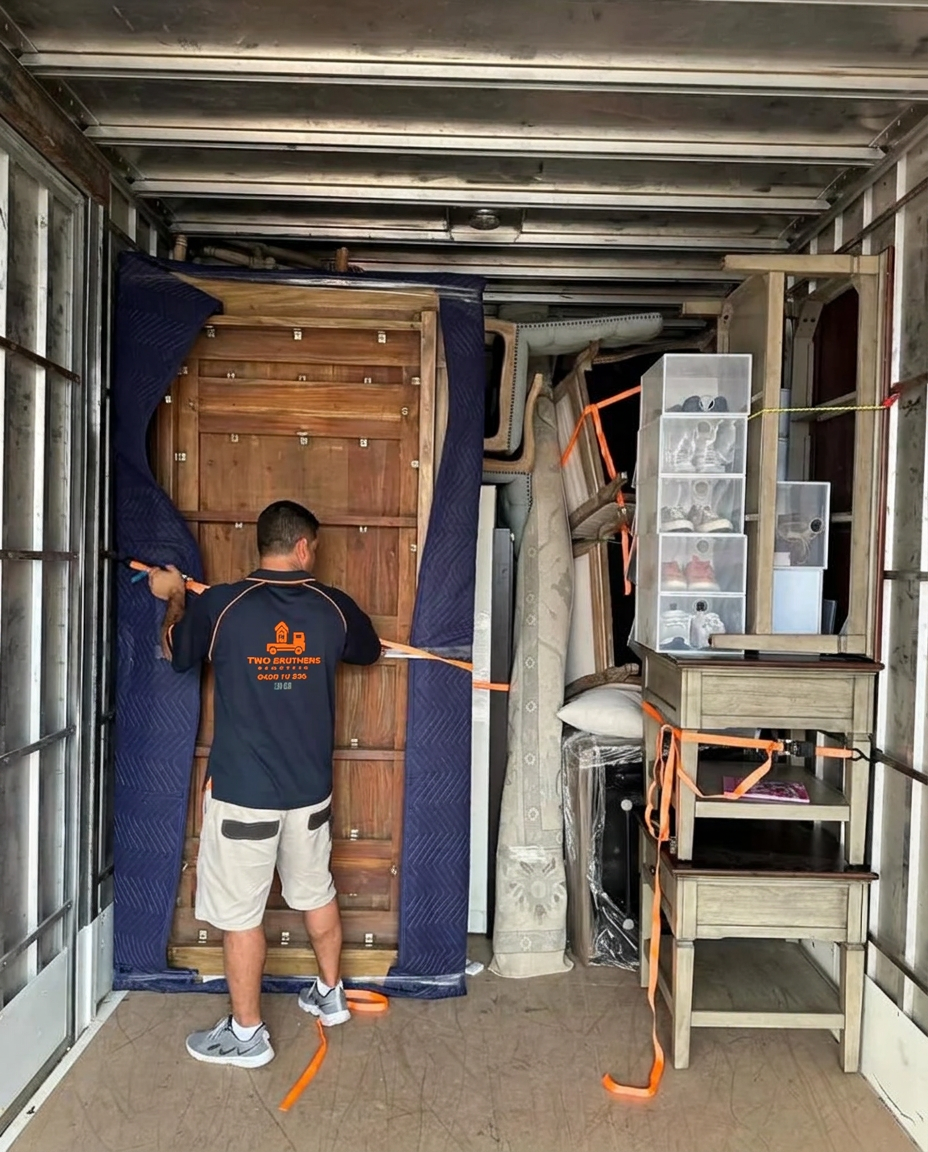
The transportation phase of a warehouse move must be carefully choreographed. Multiple vehicles may be required, and some items such as high-value electronics or chemicals may need to be transported separately. Ensure your removalist uses trucks that are clean, equipped with securing rails and straps, and large enough to move bulk items efficiently. Ask about their loading methods and whether they offer dedicated or shared truck options depending on the volume of your move. Reputable warehouse removalists also provide detailed manifests and driver logs to track each item in transit.
Reassembly and Setup at the New Warehouse
Once your stock, shelving, and equipment have arrived at the new premises, the job of reassembly begins. This phase is just as important as the packing and transport stage. Warehouse reassembly includes installing shelving systems, setting up workstations, placing inventory in the correct order, and reconnecting equipment such as conveyor belts or forklifts. Professional warehouse removalists will follow your floor plan and consult with your operations manager to ensure everything is positioned correctly. If you’re upgrading to a larger or more efficient layout, you may also require design input to optimise flow and safety.
Data Infrastructure and Technology Setup
Many warehouses today rely on scanning systems, cloud inventory platforms, and connected technology. If your move involves relocating servers, Wi-Fi systems, computers, or printers, ensure your removalist can work in partnership with your IT provider. These systems must be disconnected properly, packed securely, and reinstalled without causing data loss or network errors. A professional removalist service will also take electrostatic discharge precautions when moving sensitive electronics and label all cabling to ensure a smooth reinstallation.
Insurance for Warehouse Moves
Because warehouse relocations involve high-value stock and equipment, insurance is essential. Do not proceed with a removalist that does not provide adequate cover. Ask for a certificate of currency for public liability, workers’ compensation, and transit insurance. You should also check what is covered under your own business insurance and whether you need to declare the move to your insurer. Some removalists also offer additional insurance for goods in storage if you require temporary warehousing before you move into your new location. Always ensure your inventory list is detailed and cross-checked for claims purposes.
Safety and Compliance in Warehouse Removals
Warehouses are classified as high-risk work environments, and your move must comply with WHS regulations. Only trained and ticketed workers should operate forklifts or elevated platforms, and your removalist team should wear PPE, use safety signage, and conduct pre-start checklists. If you are moving hazardous goods or chemicals, you’ll need specialist contractors with the right licensing. Your removalist should be able to provide SWMS documents and hazard assessments for both the old and new sites. Compliance isn’t optional. It protects your staff, your assets, and your business reputation.
Common Challenges and How to Overcome Them
Warehouse relocations can hit a number of roadblocks including unexpected weather, equipment failure, underestimating volume, and miscommunication. The best way to avoid these is by working with experienced warehouse removalists who plan ahead and offer contingency options. Confirm backup dates, ask about spare vehicle capacity, and check that the removalist has enough trained personnel to scale up the team if needed. Also, always hold a debrief with your internal team after the move is complete to evaluate what went well and what could be improved for future relocations.
Why Choosing Local Expertise Matters
If you’re relocating within Sydney, a removalist with local knowledge can be a huge asset. They’ll know the best transport routes, how to navigate city traffic, and what access restrictions apply in different commercial zones. This can shave hours off your move time and reduce the chance of delays due to roadworks, height restrictions, or parking violations. Local warehouse removalists are also more likely to understand the unique needs of Sydney businesses including those based in industrial suburbs like Wetherill Park, Smithfield, or Alexandria – and further south-west, our removalist Campbelltown cover the Macarthur industrial corridor including Minto and Ingleburn.
Sustainability and Waste Management
A warehouse relocation is a good time to dispose of obsolete equipment or packaging materials. Ask your removalist if they offer sustainable disposal services or recycling programs. Many now partner with waste contractors to remove pallets, packaging, or e-waste responsibly. This keeps your new site clean and reduces environmental impact. If you’re undergoing a warehouse fit-out at the same time, coordinate with your removalist and waste contractors to minimise skip bin usage and make the process more efficient.
Final Thoughts: Plan It Like a Project, Not Just a Move
A successful warehouse relocation requires detailed planning, expert support, and strong communication. It is a business-critical project that affects your productivity, your staff, and your bottom line. Treat it with the same seriousness as you would any business expansion. Choose removalists who are not just strong in logistics but are also capable project partners. With the right team by your side, your Sydney warehouse move can be completed on time, within budget, and with minimal disruption to your operations. From the first audit to the final shelf installation, a smooth warehouse relocation is all about preparation, professionalism, and precision.
References & further reading
We check our advice against these Australian sources so you're not relying on one company's word.
- NSW Fair Trading — moving house and removalists — Your consumer rights when hiring a removalist in NSW.
- Australian Furniture Removers Association (AFRA) — Industry standards for removalist equipment, training and insurance.
- Australia Post — mail redirection — Redirect your mail before settlement or the end of your lease.
- Service NSW — change your address — Update your licence, rego and other NSW records.
- Energy Made Easy — compare electricity and gas plans — Government comparison tool when connecting power at the new place.
- Safe Work Australia — manual handling and hazardous manual tasks — Why lifting technique and equipment matter on moving day.
Where to next
About the author: Nawar
Co-founder & Quoting — Two Brothers Removals
Nawar started with a single truck in Middleton Grange in 2009, and today he's the voice on the other end of the phone. He quotes almost every job we do, which means he has walked through, measured or asked about tens of thousands of Sydney homes — from Liverpool walk-ups to Oran Park new builds and Northern Beaches interstate loads.
His rule is simple: no surprises on invoice day. He works out how many hours a job honestly needs, tells you what could stretch it, and puts the inclusions in writing before you commit. He also handles insurance, licensing paperwork and the building forms high-rise moves always need.
- • Accurate hour-based quoting and move planning
- • Interstate and high-rise moves, building access forms
- • Insurance, licensing and customer care