
9 min read
Commercial Move Without Losing Business Time
How to Plan a Commercial Move Without Losing a Day of Business

By Saif
Co-founder & Operations — Two Brothers Removals · 15 May 2026
Most business owners think about the truck. They forget about everything else.
A poorly planned commercial office relocation doesn’t just cost money — it costs productivity, client trust, and staff morale. IT systems that aren’t ready on day one. Staff who don’t know where to sit. Clients are calling a disconnected phone number.
For Liverpool and Western Sydney businesses, the stakes are real. Whether you’re relocating within the Liverpool CBD, moving to a new industrial precinct in Prestons or Moorebank, or expanding into a larger space, the difference between a smooth move and a chaotic one comes down to one thing:”We moved offices without proper IT planning and lost 3 days of work. Never again. Start planning at least 6 months out.”
— u/SydneyBusinessOwner, r/AustralianBusiness”The move itself took one day. Getting IT sorted took two weeks. We should have planned that part much earlier.”
— Facebook comment, Sydney Small Business Owners groupThis 7-step guide gives you a practical framework to move your business without losing a day.The most common mistake in commercial office relocation is underestimating the lead time.
- Commercial lease negotiations take time
If your lease is expiring : Work backwards from your end date. Add a 4-week buffer for unexpected delays.
December–January moves : If your move falls in the summer holiday period, add at least 4 extra weeks. Trades, IT contractors, and fitout teams are heavily booked.Tell us your move date, and we’ll give you an honest assessment — and a practical plan if time is tight. No obligation.Nobody can manage a commercial move alone. You need a small internal team with clear responsibilities.Internal coordinator — owns the master timeline, coordinates all suppliers, and communicates with staff. This is your most important appointment.
IT lead — manages internet, phone systems, servers, and data backup. Should be the first person briefed after you decide to move.
Department leads — responsible for their team’s packing, labelling, and readiness on moving day.
External removalist — your commercial removals partner. Brief them early and involve them in site visits to both locations. Two Brothers Removals is a commercial removalist Liverpool and Western Sydney, specialising in after-hours and weekend office moves.IT is where most commercial moves fail. It’s also the area with the longest lead times.The golden rule : Your IT must be fully functional before staff arrive at the new office. Even one day of IT downtime across a 10-person team is a significant productivity loss.
Data backup : Back up all critical data before moving day — not the night before. Do it 1–2 weeks out and verify the backup is complete.Your team will have questions. Answer them before they have to ask.
- When are we moving?
- Where is the new office?
- How does this affect my commute?
- Where will I sit?
- What do I need to pack?
— Facebook comment, Western Sydney Business Network
- 3 months out : Announce the move, share the reason and benefits
- 6 weeks out : Share new address, parking details, and commute options
- 2 weeks out : Share floor plan, seating arrangements, and moving day instructions
- Moving day : Brief email with IT support contact and “what to do if something isn’t working”
- ATO — update your business address via the Business Portal or myGov
- ASIC — update registered office address (required by law within 7 days of moving)
- Workers’ compensation insurer
- Public liability insurer
- All clients and customers (email announcement + email signature update)
- Suppliers and freight carriers (critical if you receive regular deliveries)
- Bank and financial institutions
- Accountant and legal advisers
- Australia Post — set up mail redirection for 3–6 months
- Google Business Profile — update your address (this affects local search visibility)
- Website contact page and footer
- LinkedIn company page
- Industry directories and listing sites
Use a colour-coded floor plan Create a simple floor plan of the new office with each department or team area colour-coded. Give a copy to your removalists before they start. It eliminates confusion and avoids heavy furniture being moved twice.
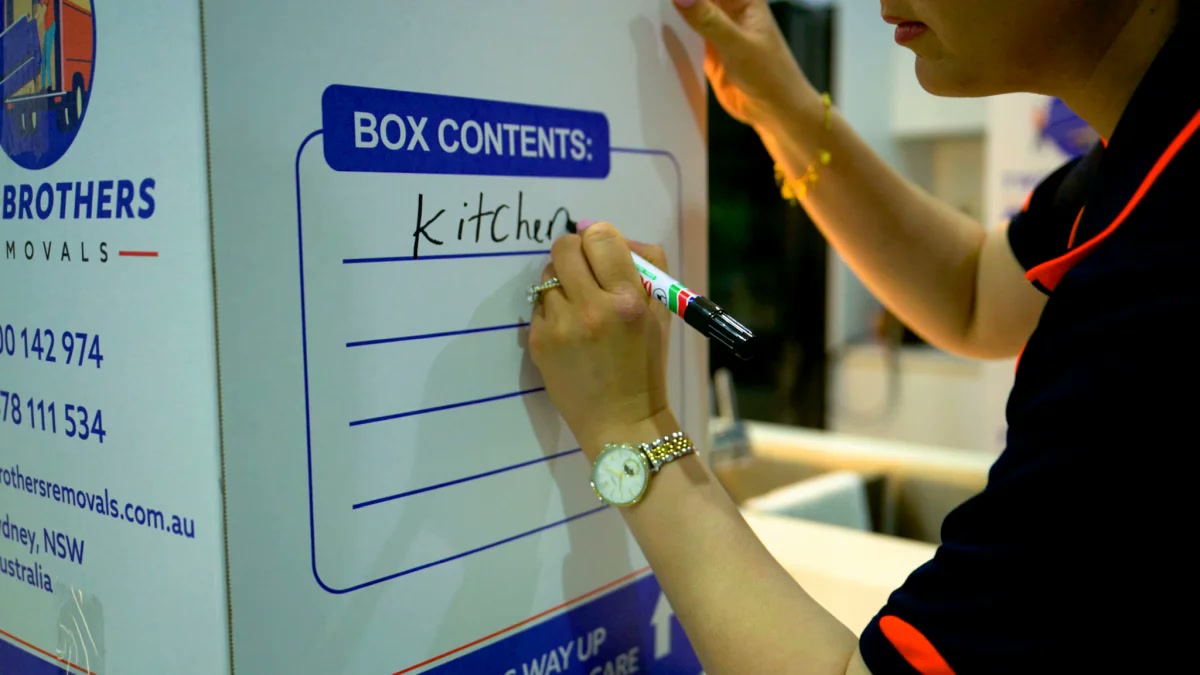
Label everything by department and destination Every box, monitor, and piece of furniture should have a label showing which room it goes to in the new office.
- IT infrastructure and server room first
- Workstations and monitors
- Filing cabinets and storage
- Kitchen and common areas
- Remaining furniture
- IT systems tested by all staff — report issues immediately
- Phone numbers confirmed working (including any ported numbers)
- Mail redirection active — check that mail is arriving
- Google Business Profile address updated (takes 1–3 days to verify)
- Website updated with new address
- All staff email signatures updated
- Old office cleaned and keys returned to landlord
- Final meter readings taken at old premises
- Confirm new office insurance is active from day one
- Review current lease — confirm end date and notice requirements
- Identify and inspect new premises
- Appoint internal relocation coordinator
- Brief IT lead — begin connectivity planning
- Engage commercial removalist for site visit and quote
- Sign new lease and notify current landlord in writing
- Announce move to all staff
- Order NBN business connection at new address
- Book phone system porting or new system installation
- Order new furniture or fitout items (long lead times apply)
- Notify all clients, suppliers and government bodies
- Set up Australia Post mail redirection
- Update ATO, ASIC, and insurers
- Distribute floor plan and seating arrangements to staff
- Confirm removalist booking (date, time, access arrangements)
- Back up all data
- Label all equipment and boxes by department
- Confirm IT installation schedule at new premises
- Brief staff on moving day roles and responsibilities
- Coordinator present at both sites
- Floor plan distributed to removalists
- IT team on-site at new office for setup
- Final walkthrough of old office before handing back keys
- IT systems tested and confirmed working
- All digital and physical addresses updated
- Old office cleaned and vacated
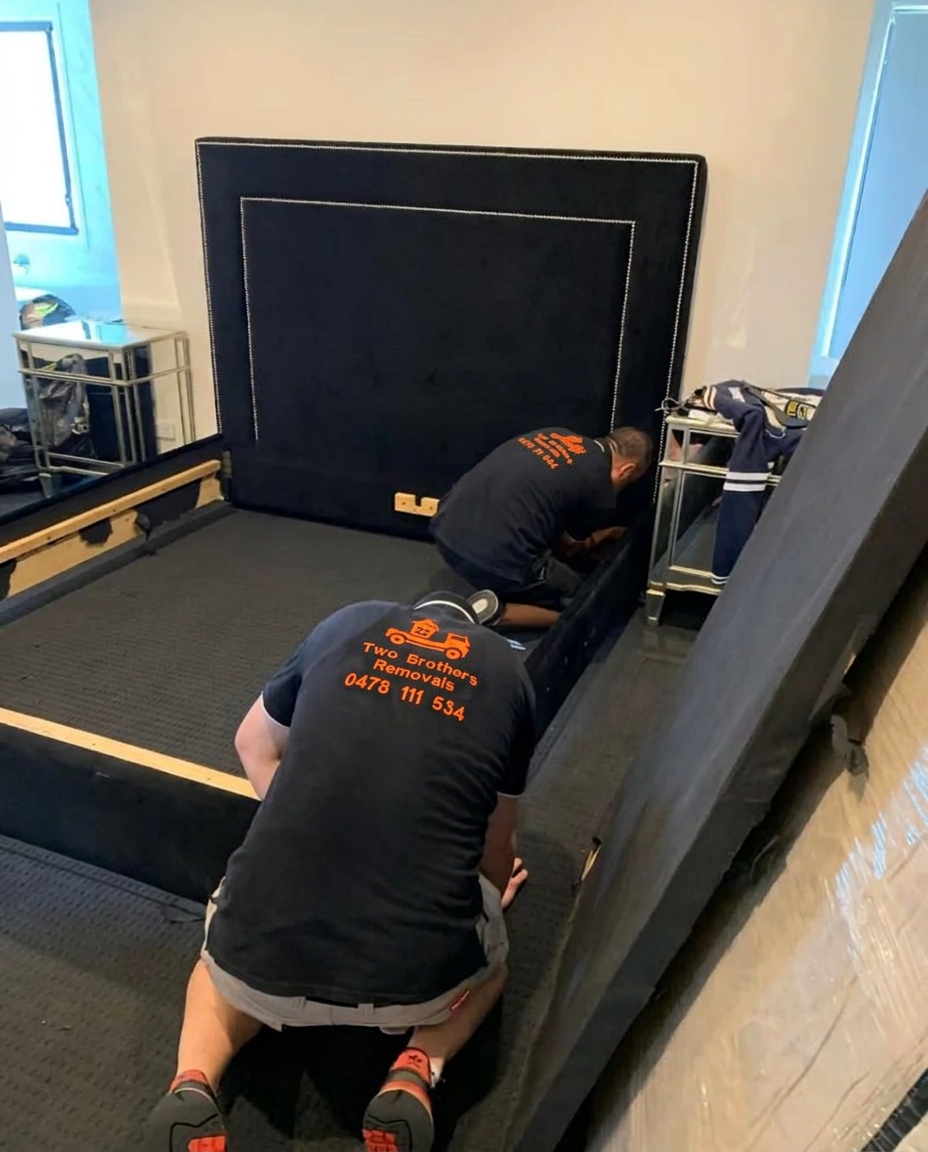
We handle office furniture disassembly and reassembly, IT equipment packing, and full commercial relocations for businesses of all sizes.For small offices (1–5 staff), allow 3–4 months. For mid-size businesses (6–20 staff), allow 4–6 months. Larger offices with complex IT infrastructure or fitout requirements should start 6–12 months out.Schedule the physical move after hours or on weekends. Ensure IT systems are fully functional before staff arrive at the new location. Notify all clients and suppliers of your new address before moving day.IT downtime. Internet connections, phone systems, and server migrations all have lead times. Engage your IT team or provider as soon as you decide to move — not the week before.Yes. If you’re moving your registered office address, you must notify ASIC within 7 days of the change. Update your address via the ASIC Connect portal.For office and commercial moves, use a removalist with commercial experience. They understand how to handle IT equipment, disassemble and reassemble office furniture, and work within building access restrictions.
References & further reading
We check our advice against these Australian sources so you're not relying on one company's word.
- NSW Fair Trading — moving house and removalists — Your consumer rights when hiring a removalist in NSW.
- Australian Furniture Removers Association (AFRA) — Industry standards for removalist equipment, training and insurance.
- Australia Post — mail redirection — Redirect your mail before settlement or the end of your lease.
- Service NSW — change your address — Update your licence, rego and other NSW records.
- Energy Made Easy — compare electricity and gas plans — Government comparison tool when connecting power at the new place.
- Safe Work Australia — manual handling and hazardous manual tasks — Why lifting technique and equipment matter on moving day.
Where to next
About the author: Saif
Co-founder & Operations — Two Brothers Removals
Saif is the one you'll usually meet on the driveway. More than 7,000 Sydney moves later he still runs the daily schedule, briefs each crew before they leave the depot, and jumps on the jobs with tight access, heavy pianos or a same-day deadline.
He built the way we wrap and load: blankets on every timber edge, mattress covers as standard, straps against the wall of the truck rather than through your furniture. If a job runs into a stairwell nobody measured or a lift the building forgot to book, Saif is the phone call that sorts it out while the crew keeps working.
- • Truck loading, load restraint and heavy-item handling
- • Same-day and tight-access moves across South Western Sydney
- • Crew training, uniforms and job briefings